
When planning a wedding, every detail helps shape a day that guests will remember. Among the flowers, the cake, and the music, wedding favours play a small but significant part. These small gifts are traditionally given as a token of appreciation for attending the celebration, offering guests a keepsake that represents gratitude and shared memories.
But where did this tradition come from, and why do we still do it today?
A Glimpse into the History of Wedding Favours
The custom of giving wedding favours dates back centuries. In early European history, aristocrats would give out bonbonnieres—small trinket boxes made of porcelain, crystal, or precious stones, filled with sugar cubes or delicate confections. At the time, sugar was a rare and expensive commodity, making these gifts a true symbol of wealth and status.
As sugar became more accessible, the tradition evolved into the “five sugared almonds” often seen in Italian and Greek weddings. These five almonds represent five wishes for the couple: health, wealth, happiness, fertility, and longevity.
Why Wedding Favours Matter Today
Today, wedding favours have moved away from being a display of wealth and toward being a display of personality and heartfelt thanks. They serve three main purposes:
- A Token of Gratitude: A way to say “thank you” to guests who may have travelled long distances to celebrate with you.
- A Memento of the Day: A physical reminder of the joy and love shared during the ceremony.
- A Reflection of Your Style: Whether you choose something traditional or modern, your favours help set the tone for your wedding theme.
Choosing the Perfect Favour
Modern couples are increasingly looking for favours that aren’t just “dust-collectors.” From edible treats to sustainable gifts, the best favours are those that resonate with your values.
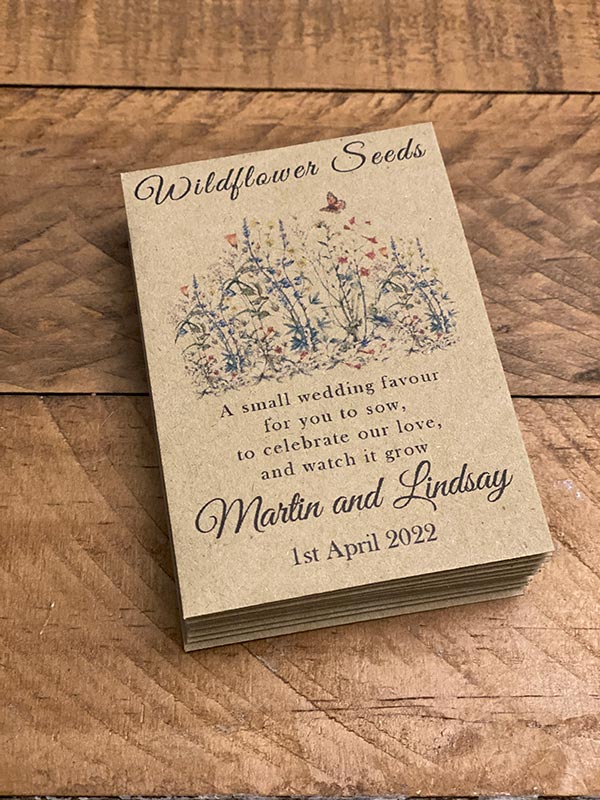
If you are looking for something that combines tradition with a modern, eco-friendly twist, consider personalised seed favours. They offer a beautiful way to say thank you while symbolising the growth of your new life together.